
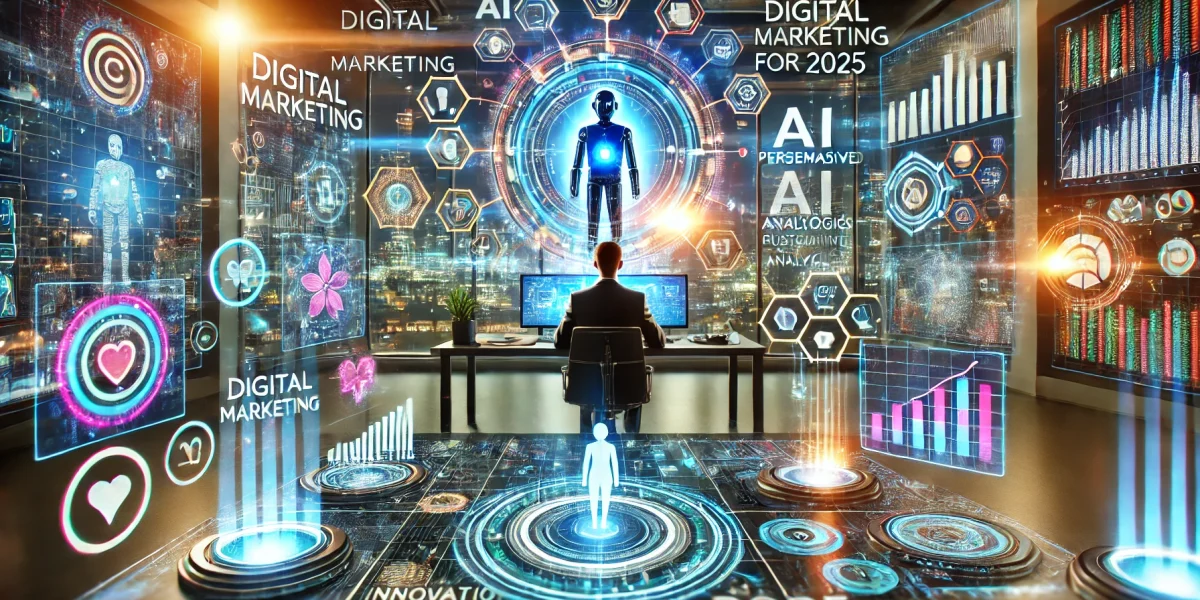
The Rise of AI in Digital Marketing: Transforming Strategies for 2025
In the ever-evolving landscape of digital marketing, staying ahead of the curve is paramount. The year 2025 marks a pivotal point as AI technologies reach unprecedented levels of sophistication, fundamentally reshaping how businesses connect with their audiences. Unlike previous years, where AI adoption was limited to early innovators, 2025 sees AI becoming mainstream, accessible, and indispensable for companies of all sizes. This transformation is not only about adopting new tools but also about adapting to a marketing battlefield where AI integration is the key to winning customer attention and loyalty.
What makes this era particularly unique is the convergence of technological advancements, shifting consumer expectations, and heightened competition in the digital space. Companies that fail to embrace AI risk falling behind as those leveraging its power surge ahead. From predictive algorithms to real-time personalisation, AI is not just a trend; it is the new standard. This article delves into how AI is revolutionising digital marketing, offering businesses innovative tools to enhance customer engagement, optimise campaigns, and drive growth.
In the ever-evolving landscape of digital marketing, staying ahead of the curve is paramount. The year 2025 marks a pivotal point as AI technologies reach unprecedented levels of sophistication, fundamentally reshaping how businesses connect with their audiences. Unlike previous years, where AI adoption was limited to early innovators, 2025 sees AI becoming mainstream, accessible, and indispensable for companies of all sizes. This shift is driven by advancements in machine learning, increased computing power, and a growing demand for personalised and efficient marketing solutions. This article delves into how AI is revolutionising digital marketing, offering businesses innovative tools to enhance customer engagement, optimise campaigns, and drive growth.
Understanding AI in Digital Marketing
Artificial Intelligence refers to the simulation of human intelligence processes by machines, especially computer systems. In digital marketing, AI analyses vast amounts of data, learns from patterns, and makes decisions to improve marketing outcomes. From chatbots providing instant customer service to algorithms predicting consumer behaviour, AI is becoming an indispensable asset for marketers.
Key AI-Driven Trends Shaping 2025
As AI technology matures, its applications in digital marketing are becoming more diverse and impactful. Staying ahead requires an understanding of these critical trends that are defining the battleground for 2025. Here’s a closer look at the five key areas where AI is making a significant impact and how businesses can harness these opportunities to gain a competitive edge.
1. Personalised Customer Experiences
AI enables marketers to deliver highly personalised content to consumers. By analysing browsing behaviour, purchase history, and engagement metrics, AI can tailor messages that resonate with individual preferences. For example, an e-commerce website might recommend products based on a customer’s past purchases and browsing habits, creating a seamless shopping experience that fosters brand loyalty.
2. Advanced Data Analytics
With AI-powered tools, businesses can process and interpret complex datasets swiftly. This capability allows for real-time adjustments to marketing strategies, ensuring campaigns are data-driven and aligned with current market trends. Companies that leverage these insights can better predict campaign outcomes, allocate budgets more effectively, and maximise ROI.
3. Chatbots and Virtual Assistants
The use of AI-driven chatbots is on the rise, providing customers with instant support and information. These virtual assistants handle inquiries efficiently, improving customer satisfaction and freeing up human resources for more complex tasks. For instance, a travel agency can use chatbots to answer FAQs, book tickets, and provide itinerary suggestions 24/7.
4. Predictive Analysis
AI’s ability to predict consumer behaviour is transforming how businesses approach marketing. By forecasting trends and purchasing patterns, companies can proactively tailor their offerings, staying ahead in competitive markets. For example, predictive analytics can help a retailer stock products that are likely to be in high demand, reducing wastage and increasing sales.
5. Content Generation and Curation
AI tools are now capable of generating content, from social media posts to entire articles. While human creativity remains irreplaceable, AI assists in streamlining content creation, ensuring consistency and relevance across platforms. Tools like ChatGPT or Jasper.ai are helping marketers produce engaging, SEO-optimised content quickly.
Implementing AI in Your Marketing Strategy
To leverage AI effectively, businesses should:
- Invest in AI Technologies: Adopt tools that align with your marketing objectives, whether it’s for data analysis, customer service, or content creation.
- Train Your Team: Equip your marketing team with the skills to utilise AI tools effectively, ensuring seamless integration into existing workflows.
- Focus on Data Quality: AI’s effectiveness depends on the quality of data it processes. Ensure your data collection methods are robust and ethical.
- Monitor and Adapt: Continuously assess the performance of AI-driven initiatives and be prepared to make adjustments as technology and consumer behaviours evolve.
1. Is AI suitable for small businesses?
Absolutely. AI tools are scalable and can be tailored to fit the needs and budgets of small businesses. For instance, small businesses can use AI-powered email marketing tools like Mailchimp or customer service chatbots like Tidio without significant investment. These tools help small businesses compete with larger enterprises by automating repetitive tasks, analysing customer data, and offering personalised experiences. For example, an independent online shop can use AI to recommend products based on a customer’s preferences, leading to higher conversion rates and customer satisfaction.
2. Will AI replace human marketers?
No, AI is designed to augment human efforts rather than replace them. While AI excels at handling repetitive tasks, analysing data, and automating processes, it cannot replicate human creativity, emotional intelligence, or strategic thinking. For example, crafting a compelling brand story or developing a unique marketing campaign still requires human input. Instead of viewing AI as a threat, marketers should see it as a powerful tool that enables them to focus on high-level tasks and innovative strategies.
3. How does AI impact SEO?
AI is reshaping SEO by enabling marketers to craft strategies that are more informed, responsive, and effective. AI tools, such as Google’s RankBrain or SurferSEO, now play a central role in analysing search intent, identifying patterns, and creating content that ranks higher in search engines. For example, these tools can determine which keywords resonate most with your target audience and suggest optimisation strategies accordingly.
Moreover, AI helps in real-time tracking of SEO performance. It can pinpoint why certain pages are underperforming and suggest actionable fixes, such as optimising meta tags, improving page load speeds, or enhancing mobile responsiveness. Businesses can also leverage AI to create dynamic content tailored to user queries, improving both rankings and user satisfaction. In a world where algorithms are continuously evolving, AI ensures your SEO strategies stay ahead of the curve.
AI significantly enhances SEO by analysing search patterns and optimising content for better visibility. AI tools like SEMrush and Ahrefs use machine learning to identify relevant keywords, analyse competitor strategies, and track ranking performance. Additionally, AI can help marketers understand user intent, enabling the creation of content that directly addresses what users are searching for. For example, if users frequently ask, “How do I use AI for small business marketing?”, an AI-driven strategy could involve creating a detailed blog post answering this question, improving the site’s search rankings.
4. Are there risks associated with AI in marketing?
Yes, while AI offers numerous benefits, it also comes with challenges. Data privacy concerns are one of the most significant risks. Businesses must ensure they comply with regulations like GDPR when using AI to collect and process customer data. Another challenge is the initial cost of implementing AI technologies, which can be prohibitive for some companies. Additionally, over-reliance on AI could lead to a lack of human touch in customer interactions. For instance, a customer might prefer speaking to a human agent rather than a chatbot for complex issues. To mitigate these risks, businesses should strike a balance between AI-driven automation and human intervention.
5. How can I start integrating AI into my marketing strategy?
Start small and scale gradually. Identify specific areas where AI can add value, such as automating email campaigns, analysing customer data, or improving customer service. Research and choose AI tools that align with your goals. For instance, if you want to enhance customer service, start with a chatbot platform like Zendesk or Intercom. Once implemented, monitor the tool’s performance, gather feedback, and make necessary adjustments. Training your team to use AI tools effectively is also crucial. For example, provide training sessions on how to interpret AI-generated insights or how to personalise automated campaigns.
